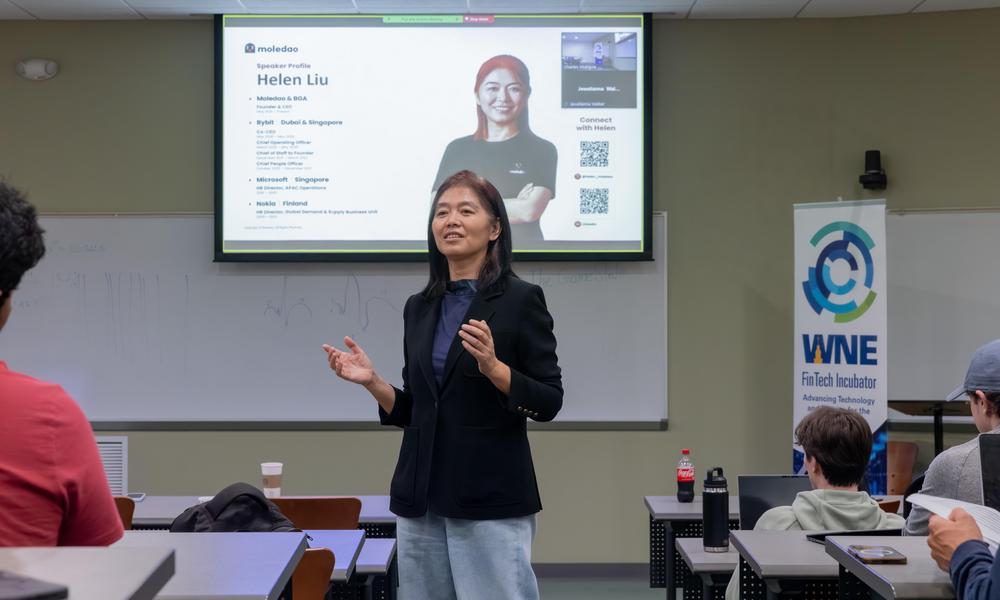
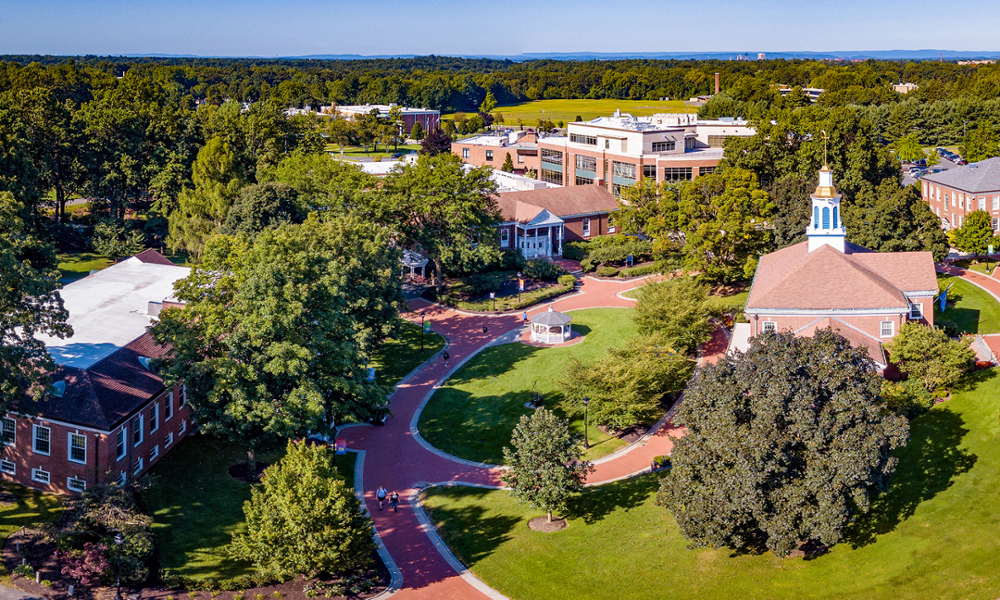
Western New England University is hosting the Global Interdisciplinary Green Cities Conference 2026 from June 16–20, bringing together scholars, researchers, students, and professionals from across disciplines to explore the future of sustainable communities, resilient infrastructure, emerging technologies, and environmental innovation. The 2026 proceedings include 66 presentations and submissions, with contributors representing the United States, Mexico, Ghana, Hong Kong, Japan, India, Poland, and Switzerland.
Green cities are about more than parks, buildings, and infrastructure. They involve the systems that shape how people live, move, work, access resources, use technology, and respond to environmental pressures. The conference is creating space for researchers and practitioners to examine those systems from multiple perspectives, including sustainable business practices, climate resilience, transportation, energy use, environmental design, health, food systems, data analytics, and emerging technology.
For Western New England, hosting the conference is an opportunity to bring global conversations about sustainability and community impact to Springfield while highlighting the work already taking place across campus. WNE faculty and students are contributing research in areas such as artificial intelligence, sustainable engineering, renewable energy, public health analytics, and data-driven problem-solving—fields that are increasingly important to the future of cities and communities.
Projects from Professors Hanieh Shabanian and Mahyar Pourghasemi and their teams demonstrate the University’s active role in advancing research connected to sustainability and community impact. Their presentations include work on AI-driven mental health detection using social media and explainable artificial intelligence; machine learning for heat transfer prediction in sustainable miniature cooling systems; small-scale anaerobic digestion for biogas production from organic waste; and computational approaches to improving cooling systems for compact electronics and energy infrastructure.
These projects illustrate the broad meaning of “green cities” in today’s world. Sustainable communities depend not only on environmental planning, but also on responsible technology, efficient infrastructure, renewable energy, public health awareness, ethical data use, and solutions that can move from research settings into practical application.
Hosting the Global Interdisciplinary Green Cities Conference also highlights WNE’s role as a regional anchor institution in Springfield. As cities continue to address challenges related to climate, infrastructure, economic development, housing, energy, transportation, and public health, universities have an important role to play in bringing people together, generating new knowledge, and preparing graduates who can contribute to solutions.