

XR Lab Use Cases
Real and emerging examples of lab-supported work across courses, community engagement, student projects, and university storytelling.
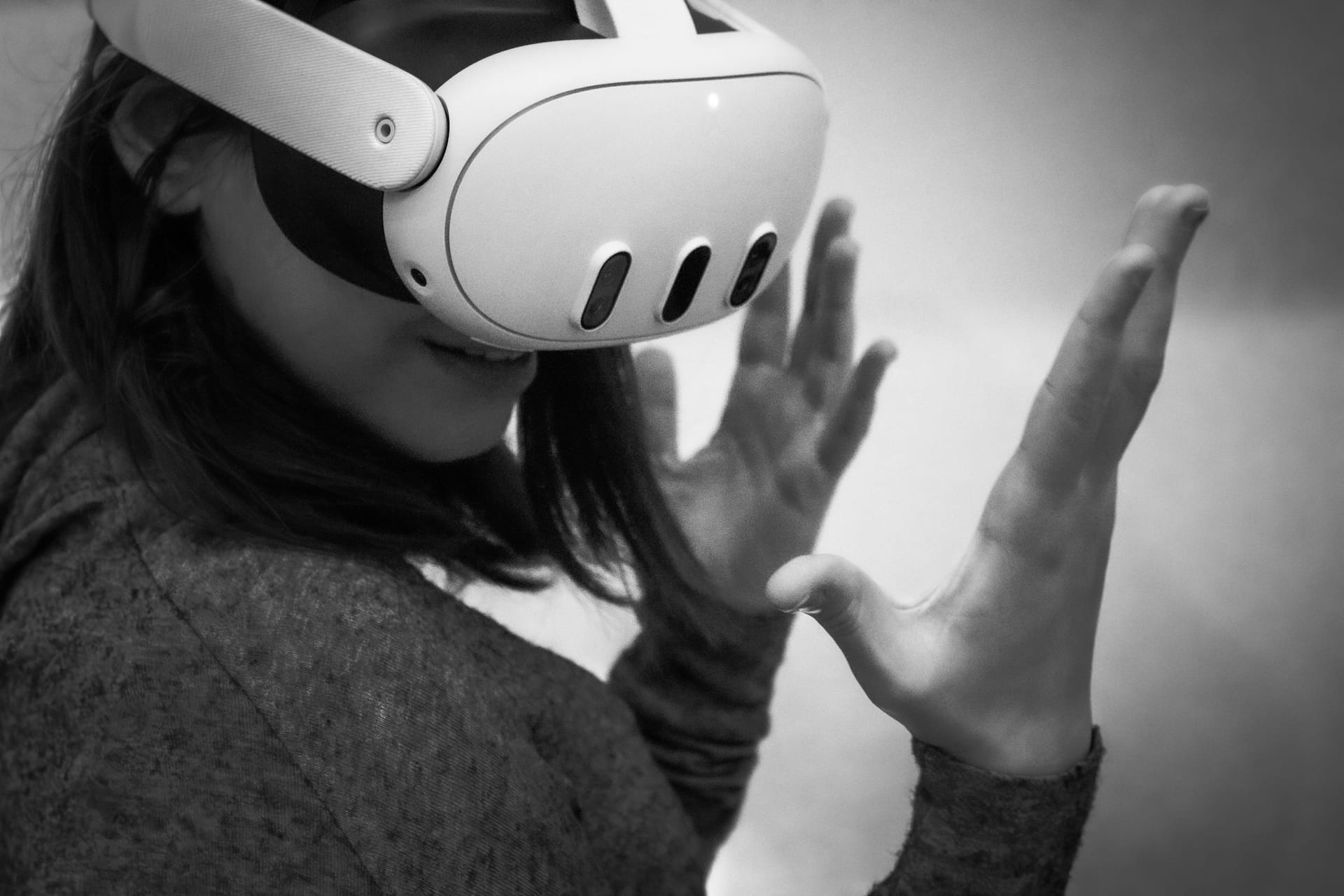
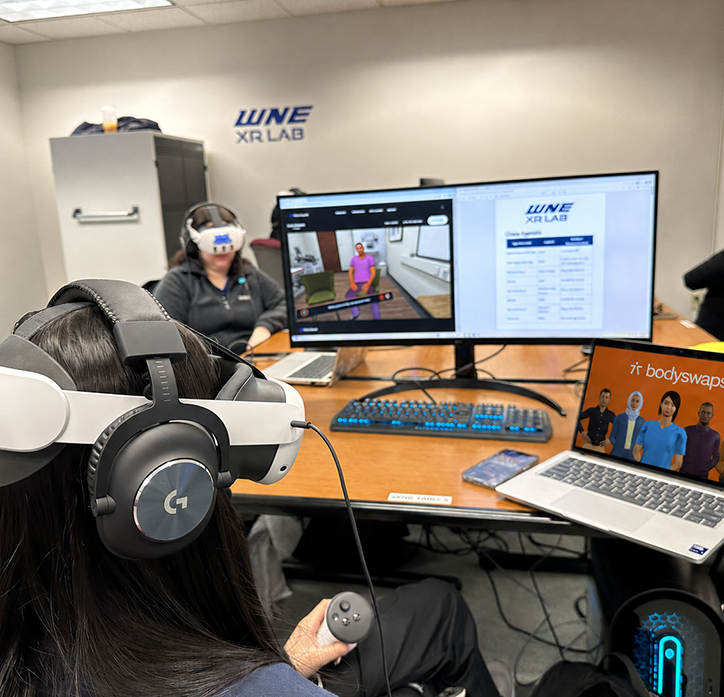
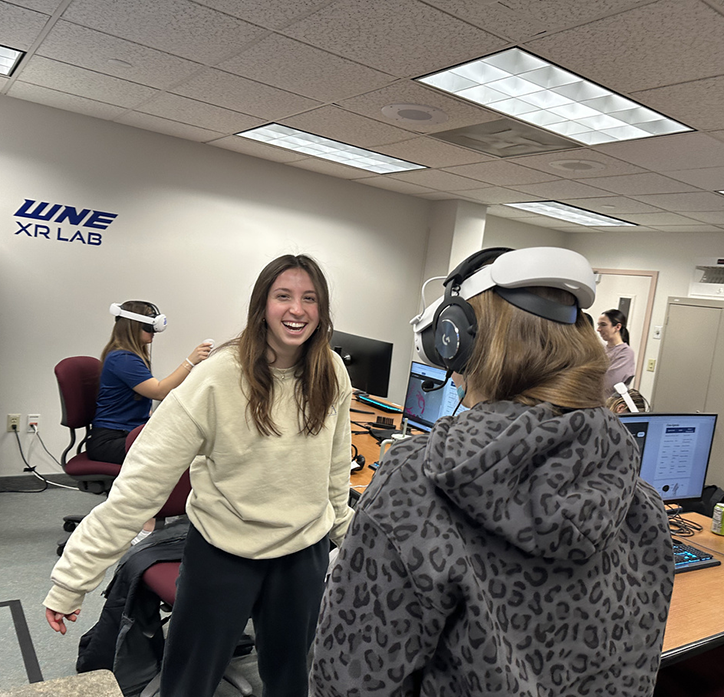
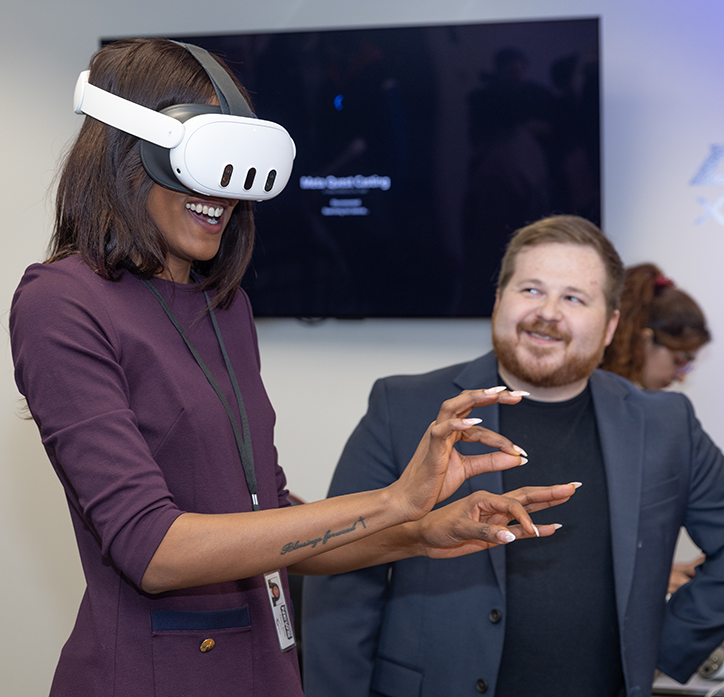
Located in D'Amour Library, the Western New England University XR Lab gives students, faculty, and staff hands-on access to virtual, augmented, and mixed reality technologies. From practicing professional skills to creating XR applications and immersive media, the lab supports teaching, research, and student projects with tools such as Meta Quest headsets, Unity, and Bodyswaps. Bring a course activity, project, or idea, and the lab team will help you find a path from concept to experience.
Real and emerging examples of lab-supported work across courses, community engagement, student projects, and university storytelling.
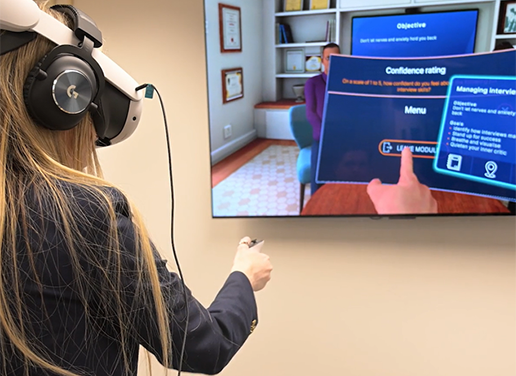
Bring immersive learning into your course through guided XR activities and Bodyswaps simulations for communication, workplace conversations, and interview practice. The lab helps faculty design activities, set up equipment, and get students started.
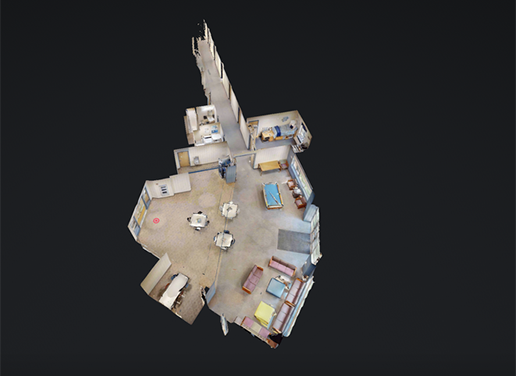
WNE's Marketing Department is using Matterport and 360 scans to create virtual tours of residence halls and campus buildings, helping prospective students explore campus before they arrive.

The lab supports student experimentation with AI-assisted creative production, including 3D assets and AR/VR prototypes. Students can build, test, and present work for projects and portfolios.
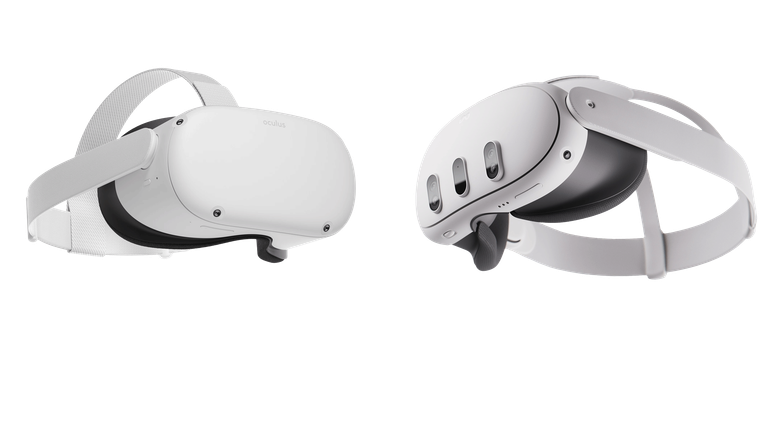
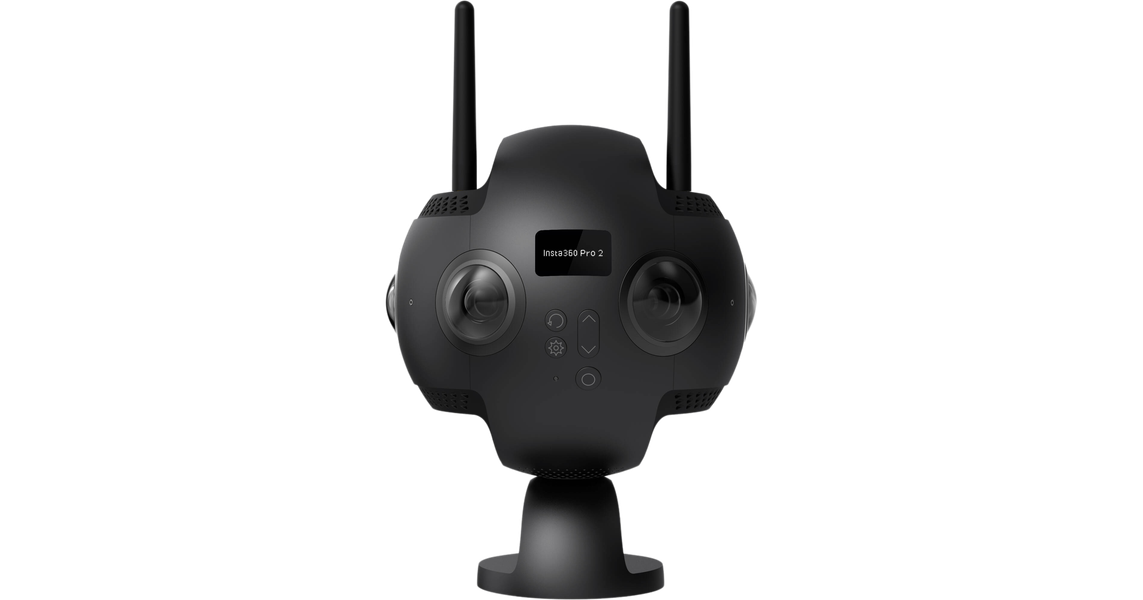
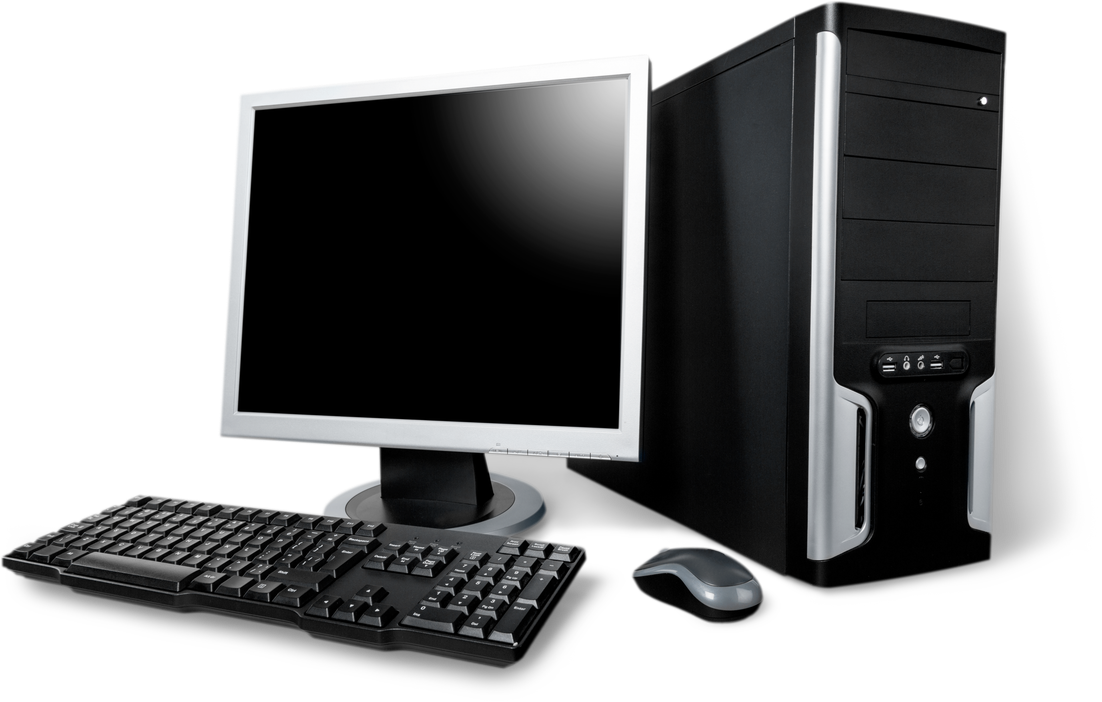
The XR Lab offers a variety of hardware and software for learning, creation, and prototyping.
| Meta Quest Headsets | 360 Cameras | Workstations | Matterport |
|---|---|---|---|
 |
 |
 |
 |
| Train | Create | Build | Activate | Tour | Collaborate |
|---|---|---|---|---|---|
 |
 |
 |
 |
 |
 |
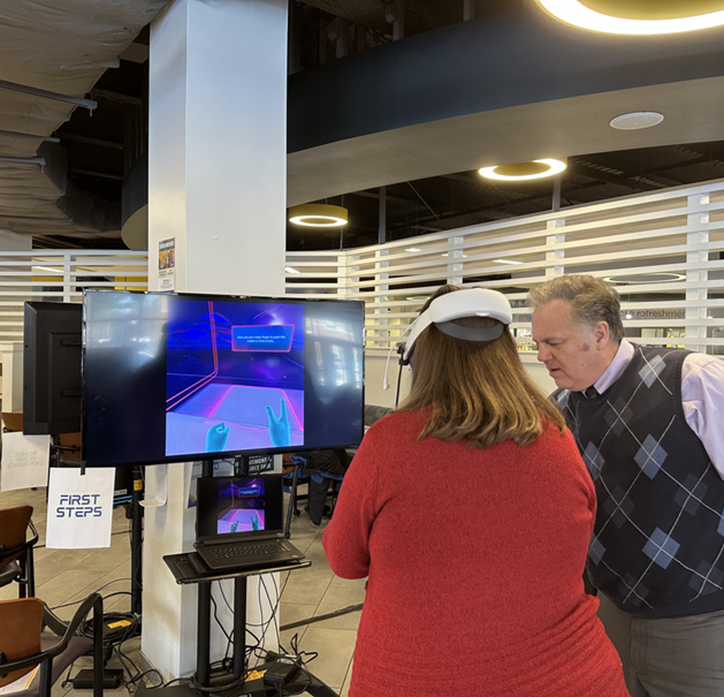
XR (Extended Reality) is an umbrella term that encompasses Virtual Reality (VR), Augmented Reality (AR), and Mixed Reality (MR). While VR immerses users in a completely digital environment and AR overlays digital information onto the real world, XR combines these experiences and other emerging immersive technologies to create comprehensive and interactive environments.
XR technologies are used across a range of industries, including:
XR is a growing area of work across healthcare, engineering, entertainment, education, and professional training. Career pathways include immersive application development, 3D design, simulation, user experience, and training design. Hands-on XR projects also help students build transferable skills in communication, teamwork, and problem-solving, along with portfolio work they can share with employers.
Have a course activity, student project, research question, or industry partnership in mind?
Tell us what you want to explore, and we’ll help you find a way to get started.