Western New England University has been awarded a new $2 million National Science Foundation S-STEM Track II grant to remove financial barriers and expand opportunity for high-achieving engineering students with financial need.
The grant will provide scholarship support for academically talented, low-income students pursuing degrees across all engineering disciplines in the College of Engineering between 2026-2032. Funding also supports a comprehensive network of academic and professional student services, including a summer bridge program, stipends for professional conferences, and internships for scholars, and peer and alumni mentoring programs.
The project — Sustainable Engineering Education & Development (SEED) — builds on the University’s successful S-STEM Track I grant focused on mechanical engineering and expands its reach to all engineering disciplines within the College of Engineering: electrical, biomedical, computer, industrial, civil, mechanical engineering, and construction management. The program is designed to strengthen retention, increase graduation rates, and prepare scholars for immediate entry into high-demand engineering careers or graduate study.
SEED combines financial support with structured cohort development, industry-aligned research opportunities, professional advising, and flexible academic pathways that allow students to pursue research-intensive or entrepreneurial experiences. The initiative was developed with guidance from industry partners to ensure scholars graduate with the skills required in rapidly growing engineering sectors.
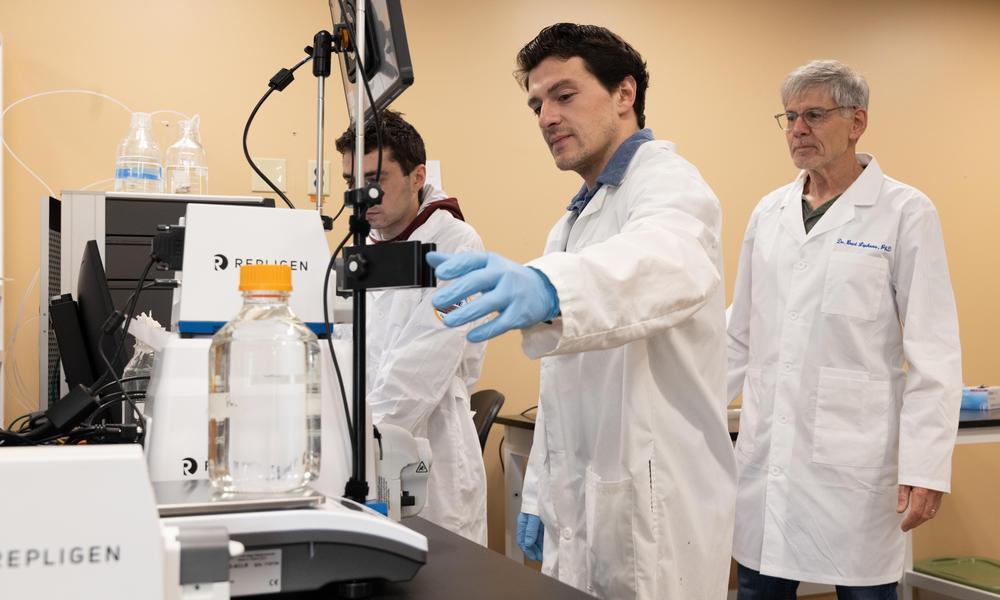
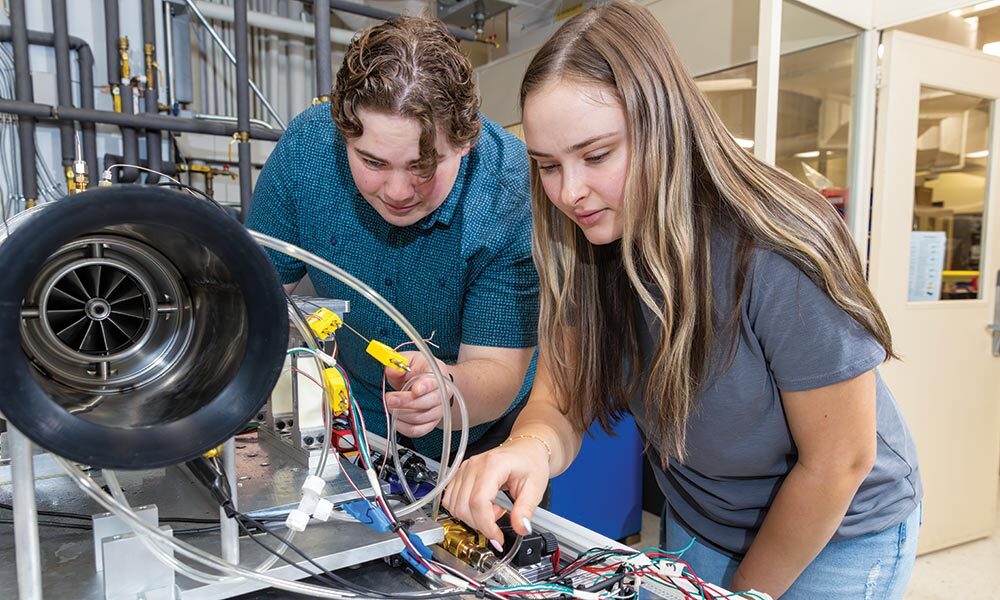
The College of Engineering has a strong track record of placing graduates in high-demand industries. Its on-campus learning laboratories partner directly with regional companies, creating meaningful industry engagement opportunities that allow scholars to apply classroom learning to real-world challenges while building professional networks before graduation.
“This grant allows us to remove financial barriers while building a community of engineers prepared to lead in the industries shaping our region and our nation,” said Jingru Benner, PhD, PE, associate professor of engineering and principal investigator of the SEED project. “For our College of Engineering, this is about more than scholarships — it’s about creating a sustainable model that supports student success and strengthens the workforce pipeline.”
The workforce impact is significant. Nearly 20% of Massachusetts’ economic growth between 2020 and 2021 was driven by STEM jobs, underscoring the urgent need for well-prepared engineers. Through SEED, Western New England University is expanding access to engineering education while strengthening the advanced manufacturing and technology sectors critical to the regional economy.
Co-investigators for the grant include Mike Rust, professor of Biomedical Engineering; Ray Ostendorf, associate professor of Education; Katherine Schleff, assistant professor of Civil & Environmental Engineering; and College of Engineering Dean Hossein Cheraghi.